Apex Ring Rotations: Choose a Reachable Position and Move as a Squad
Rotating means moving to a position that preserves useful choices as the ring and nearby teams change the map. The nearest safe point is not always a defensible destination. This guide provides original positioning examples using EA references checked on October 18, 2026. Map toys, Legend abilities and ring behaviour can change by mode or update. Use the current map and ability prompts; the method does not depend on a particular transport item being permanently available.
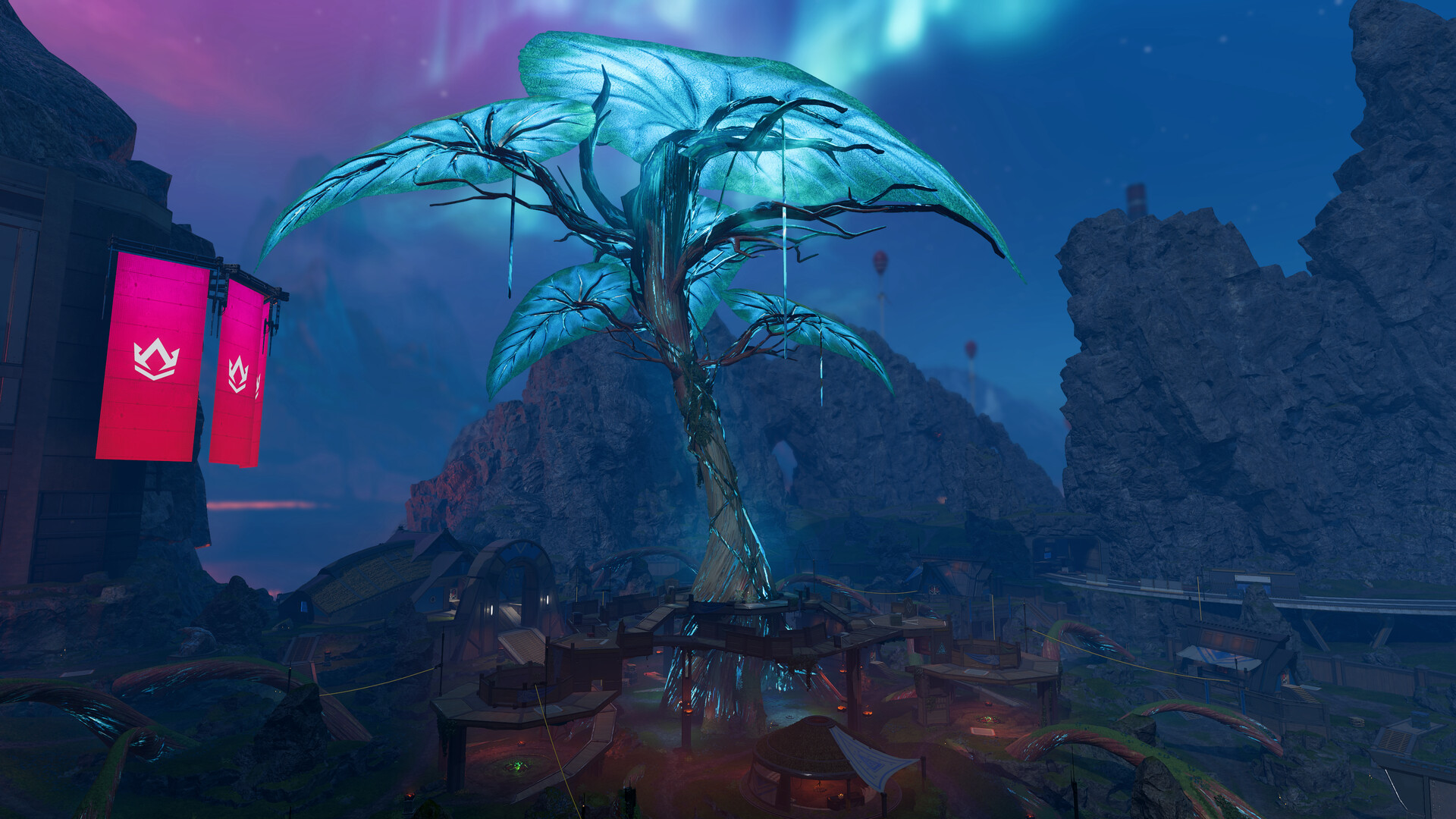
Official game screenshot · Electronic Arts. Publisher-provided public store media used to illustrate independent editorial discussion. Copyright remains with the respective rights holders; no redistribution license is offered.
Read the ring while you still have alternatives
Check your location, the next safe boundary and the available time from cover. Include the whole squad, not only the player nearest the destination. Look for terrain that makes a straight map line misleading: cliffs, narrow tunnels, exposed roads and vertical buildings can add delay or force a dangerous angle. Check again after fights because the situation may have changed while attention was elsewhere. An early map check gives time to choose a route and share supplies. A late one turns every obstacle into an emergency. Make ring information a routine event after the first loot pass rather than a warning noticed only when damage begins.
Choose a position with cover and an exit
Do not stop automatically at the nearest edge of safety. Select an actual piece of usable space: a building corner, connected rock formation or terrain fold that lets the squad observe and recover. Consider how another team could pressure it and where you would leave. High ground may create strong angles, but it can also make departure predictable or expose you on a skyline. A lower route with connected cover can be more practical for the current resources. Evaluate the position by the options it creates, not by a universal instruction to take centre, edge or height every time.
Use intermediate waypoints to keep the squad together
Ping the next reachable cover rather than only a distant final destination. This lets a teammate finish a short recovery or cross a gap with support instead of trying to follow an unseen route. Keep enough spacing to avoid crowding one vulnerable angle, while remaining close enough to react to contact. If a player falls behind, solve the reason: missing supplies, an unclear ping or terrain that their ability cannot cross as easily. The fastest Legend should not silently define the group's travel speed. A route is successful when the squad arrives functional, not when one player reaches the preferred building first.
Use mobility for a route you have inspected
Movement abilities and map transport can shorten a crossing, but examine the destination and what happens after arrival. A launch into an occupied rooftop is not safe merely because the travel was fast. Check whether teammates can follow and whether the ability has restrictions in the current mode. Preserve a fallback when possible. If the intended tool is unavailable, choose an ordinary terrain route early rather than waiting until the ring forces the issue. Practise the supported movement in the range or a suitable setting before relying on it during a last-second escape. The ability should solve a known route problem, not replace observation.
Decide whether combat improves the move
A fight can be necessary if another squad controls the only usable passage. A distant damage opportunity may simply reveal your location and delay the crossing. Ask what space the engagement is intended to gain and how long you can afford to stay. If pressure opens the route, move instead of chasing every retreating opponent. Be alert to a third team attracted by prolonged noise. A short disengagement call can prevent teammates from continuing different versions of the fight. Keep the ring and exit visible in your decision. Winning an exchange at the wrong location may still leave the squad with an unplayable next move.
Apply the plan to a blocked passage
Imagine your team must reach the next area through a narrow route, but shots show another squad near its far exit. First check whether terrain offers an alternative that still fits the time. If so, mark an intermediate covered waypoint and leave before the alternative becomes late. If not, coordinate the abilities and pressure needed to create a crossing window, with everyone ready to move. Do not let one teammate spend all recovery while another continues looting. If the plan becomes impossible, identify the least exposed remaining route and commit together. Earlier observation is what would have prevented this forced choice in the first place.
Review the moment the safer option disappeared
When a rotation fails, trace the sequence backward from the final damage. Did the squad stay for an optional loot box, chase after an opening or ignore a teammate's inability to follow? Did the map route hide a cliff or occupied exit? Choose a correction tied to that first lost option, such as checking the far side of a passage before the countdown becomes urgent. Do not reduce every failure to moving faster. Better departure timing, a clearer destination and a more realistic squad route often matter more than an advanced movement technique. Keep the lesson specific enough to recognise in the next match.
Your working checklist
Checkmarks stay in this browser when storage is available. They do not alter your game or connect to your account.
Put it into practice
- Check ring timing after the opening loot pass and after fights.
- Choose actual covered space with an exit rather than only the nearest safe boundary.
- Ping intermediate waypoints and match the route to the whole squad.
- Use mobility only after checking where it ends and whether teammates can follow.
- Fight to remove a necessary obstacle, then move during the opening instead of extending the chase.
Before you finish
- Travel time includes terrain, regrouping and possible pressure at the exit.
- The final position has cover and a plausible next move.
- The plan does not require an unlocated seasonal transport tool.
- The squad shares a departure decision before optional fighting removes safer routes.
Common questions
Should I always rotate early to the centre?
An early move can preserve choices, but the centre may be occupied or difficult to reach safely. Choose a route and position that fit current information, equipment and team mobility. A covered intermediate position can be better than a forced exposed crossing.
Is a mobility Legend enough to fix late rotations?
No. The squad still needs a safe destination and a way for everyone to arrive. An ability can shorten travel while also creating a predictable landing or separating teammates. Better timing and route inspection remain important.
When should we stop a fight and leave?
Leave when the fight no longer improves the route or when further delay removes a safe option. If opponents block the passage, coordinate pressure to create a window, then use it. Avoid turning a successful opening into an unnecessary pursuit.