Apex Legends Beginner Roles: Choose a Legend You Can Use With Your Squad
The best starting Legend is one whose abilities you understand well enough to use while also moving, aiming and following the squad. This is an original selection and practice guide, not a current competitive tier list or a hands-on character ranking. EA references were checked on October 18, 2026. Core and Freestyle differ, including class-perk rules and selection behaviour. Read the current ability panel in your chosen mode before applying advice from an older season.
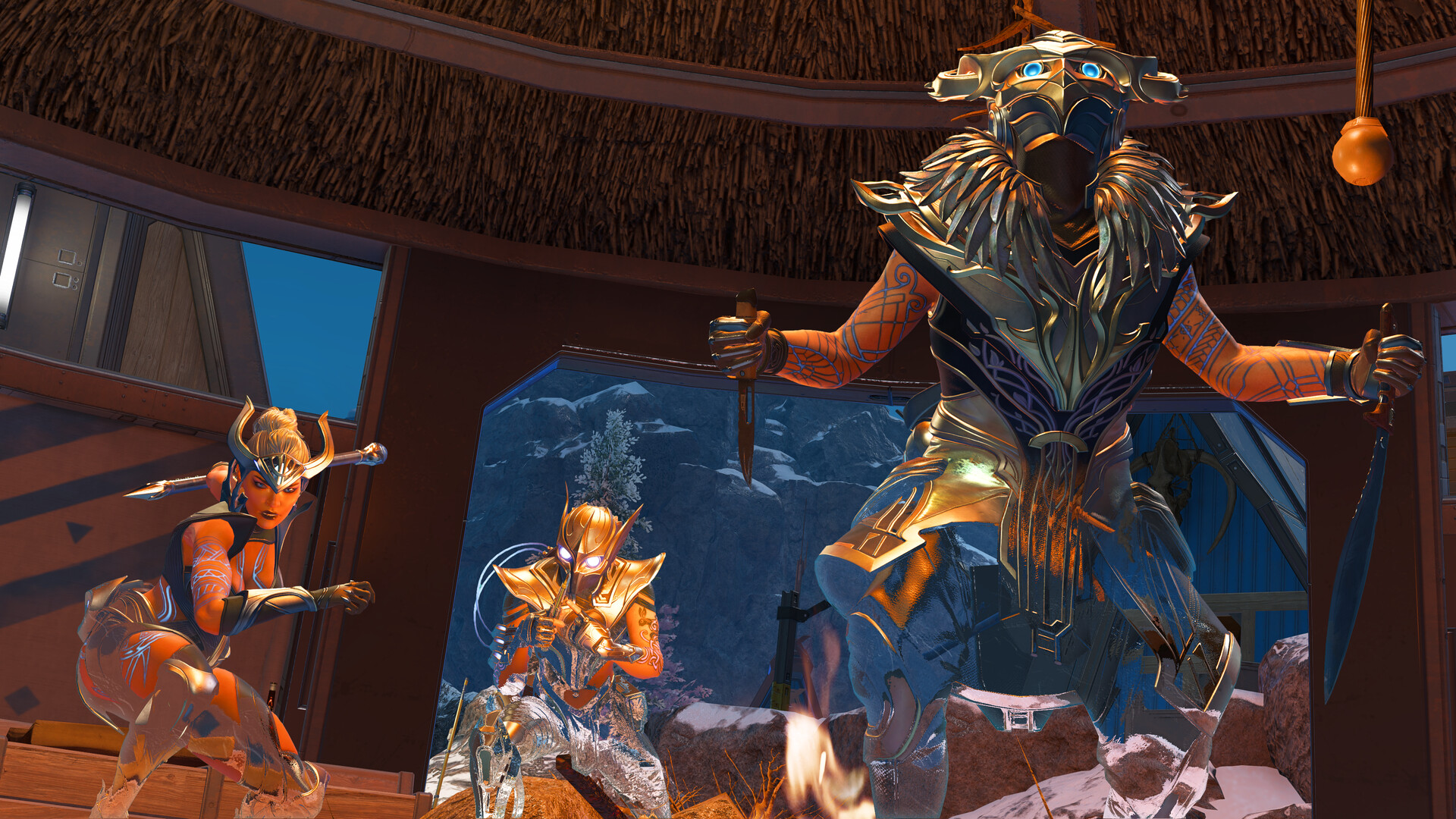
Official game screenshot · Electronic Arts. Publisher-provided public store media used to illustrate independent editorial discussion. Copyright remains with the respective rights holders; no redistribution license is offered.
Choose the mode before interpreting a class
EA distinguishes Core modes such as Ranked and Unranked from Freestyle experiences such as Wildcard. Class perks belong to Core, so a class-based tutorial should not be applied blindly to a mode with simplified systems. Read the lobby description and identify which rules you are practising. If the purpose is learning a new ability, the Firing Range provides a place to inspect controls without a live squad depending on an unfamiliar action. If the purpose is team positioning, move into the appropriate mode after that rehearsal. Keep those learning goals separate so a confusing match does not become a misleading judgement about the character.
Start with the action you want to contribute
Think about a useful team contribution you can recognise: helping a retreat, gathering information, controlling an approach, supporting recovery or creating a coordinated entry. These are practical questions rather than a ranking of class strength. Read the available Legends and choose one whose ordinary ability use fits that contribution. A highly mobile character may be exciting, but the movement is valuable only if the squad can use or support the new position. A support-oriented pick still needs cover and shooting fundamentals. Do not choose a role as an excuse to avoid learning the shared basics of the game.
Learn the passive, tactical and ultimate as separate decisions
The character panel describes different ability types. For each, write one ordinary use and one situation where it would be unhelpful or risky. A tactical used reflexively whenever available can reveal your location or leave it unavailable for the actual threat. An ultimate held forever also provides no contribution. Read targeting, placement and cancellation prompts in the current interface, then test the supported actions in the range where possible. Keep the first routine simple enough to remember during a fight. You do not need an elaborate combo before understanding where the ability begins, what space it affects and what you should do afterward.
Practise a useful sequence rather than an isolated button
Choose a sequence that connects the ability to position: move behind cover, use the ability for its intended purpose, communicate the opportunity and reposition with the team. The exact sequence depends on the Legend; do not assume a movement skill protects you from all damage or that a visual obstruction is a solid wall. Observe what the current ability actually allows. If a target or placement is invalid, learn why during practice instead of repeatedly pressing the button in a live emergency. End the rehearsal with the weapon ready and a planned escape, because using the ability is not the end of the encounter.
Prepare a backup without learning the whole roster
In Core, selection restrictions can prevent you from taking the same Legend as a teammate. Prepare another familiar option whose controls and ordinary role you understand. The backup does not need to imitate every ability of the first choice; it needs to let you contribute without reading a full panel during the match. Practise both in separate short sessions and keep their habits distinct. A defensive placement habit may be inappropriate for a mobile ability. If a patch changes either kit, revisit the current panel before queuing. Avoid purchasing or unlocking a character solely because an old tier list promises effortless wins.
Use a team situation to judge the ability choice
Imagine the squad must leave an exposed building while another team watches the road. The useful question is whether your available ability helps create a safer route, delays pursuit or supplies information about the next position. Activating it far ahead without a call may strand teammates instead. Ping the destination, explain the intended benefit briefly and move within support distance. If no ability fits, use terrain and ordinary movement rather than forcing a flashy action. The quality of the decision lies in the usable opportunity it creates. An ability animation by itself is not evidence that the team gained an advantage.
Review the role through repeatable contributions
After several matches, ask whether you recognised the moments your chosen role was meant to address. Did the information arrive before the push, did the recovery occur in cover, or did the movement preserve a route for teammates? Separate ability timing from aim and map knowledge. If the kit still consumes all your attention, simplify the routine or try a more understandable available option. Keep the review factual and avoid blaming the character for every loss. A useful starting Legend is one that leaves enough attention for the squad and current objective, while giving you a clear contribution to improve over time.
Your working checklist
Checkmarks stay in this browser when storage is available. They do not alter your game or connect to your account.
Put it into practice
- Confirm Core or Freestyle rules before interpreting class perks or selection restrictions.
- Choose a practical team contribution and read the available character abilities.
- Practise one useful sequence connecting cover, ability use, communication and movement.
- Prepare a familiar backup and inspect changes after a patch.
- Review whether the ability created a usable team opportunity rather than judging it only by damage.
Before you finish
- The selected mode actually uses the class or selection rule described in the advice.
- You understand an ordinary use and a risky use for each important ability.
- A backup pick is familiar enough to play without reading instructions during a live fight.
- The ability plan includes what you do afterward and how teammates can benefit.
Common questions
Which Legend is best for every beginner?
There is no universal answer. Choose an available kit you can understand while also aiming and following the squad. Use official ability information and a short practice session to find a useful contribution, then evaluate it in the mode you intend to play.
Should I unlock the highest-ranked character from a tier list?
Do not spend solely on that claim. Rankings depend on patch, mode, team and skill. First learn the available characters and identify a concrete role you enjoy. A familiar kit used at the right moment can be more useful than an unfamiliar fashionable pick.
Why does my class advice not work in Wildcard?
Core and Freestyle do not share every system. EA specifically separates class perks by mode. Read the current lobby and ability descriptions before assuming a Core interaction is present in a simplified or limited-time experience.